Tangy Dill Pickle Sourdough Bread Recipe
Introduction
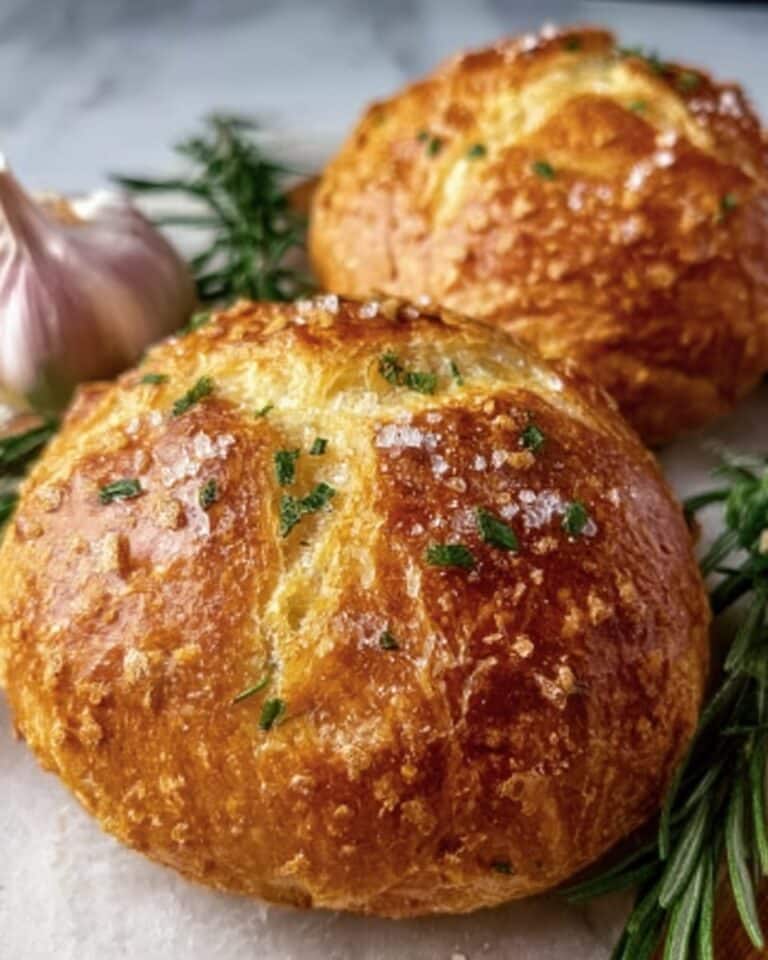
This Tangy Dill Pickle Sourdough Bread combines the classic tang of sourdough with the bright, savory flavor of dill pickles. It’s a unique and delicious twist perfect for sandwiches or enjoying on its own. Baking this bread will fill your kitchen with an irresistible aroma and reward you with a crusty, flavorful loaf.
Ingredients
- 50 grams active sourdough starter
- 260 grams filtered water, warmed to about 85°F
- 30 grams brine from dill pickles
- 375 grams organic white bread flour
- 35 grams whole wheat flour
- 7 grams fine sea salt
- 80 grams diced dill pickles (patted dry)
- 1 1/2 tablespoons fresh dill, finely chopped
Instructions
- Step 1: In a large bowl, mix your sourdough starter, warm water, and pickle brine with a fork until the starter is well dispersed. Add the flours and stir with a spatula, then use your hand to form a shaggy dough with no dry flour visible. Sprinkle salt over the dough, cover with a damp cloth, and let rest for 40 minutes.
- Step 2: Knead the salt firmly into the dough by hand for two minutes. Perform your first set of stretch and folds by stretching a portion of dough upwards and folding it over the rest. Cover again and rest for 30 minutes.
- Step 3: Evenly sprinkle diced pickles and fresh dill over the dough, reaching the edges of the bowl. Perform another stretch and fold sequence to incorporate the mix-ins, then rest the dough for 30 more minutes.
- Step 4: Complete two additional 30-minute resting and stretch and fold cycles, making a total of four cycles to build the dough’s structure.
- Step 5: Let the dough bulk ferment covered on your counter until it rises about 75%—this usually takes around 4 hours at 74°F. When slightly less than doubled and glossy with bubbles, gently transfer it to a floured surface and let rest for 10-15 minutes. Shape as desired, place seam-side up into a flour-dusted, linen-lined banneton, cover, and prepare for the final rise.
- Step 6: Allow the final proof either overnight in the fridge (up to 12 hours) or about 1 1/2 hours at room temperature. Preheat your oven to 450°F with a Dutch oven inside. Place parchment over the dough, flip it seam-side down, and score the top at least 1/2 inch deep. Transfer the dough on parchment to the Dutch oven, cover, and bake for 25 minutes. Remove the lid, reduce temperature to 435°F, and bake for another 20 minutes until golden and crackly.
- Step 7: Let the bread cool for at least one hour before slicing to ensure the crumb sets perfectly and avoid gummy texture. Enjoy your tangy dill pickle sourdough!
Tips & Variations
- Pat your diced pickles dry thoroughly to prevent excess moisture from making the dough sticky.
- Use fresh dill for a brighter flavor or dried dill if fresh is unavailable—reduce quantity slightly if using dried.
- For a more intense pickle flavor, add a teaspoon of pickle brine during the final stretch and fold cycles.
- If you don’t have a Dutch oven, bake the bread on a preheated baking stone and use a tray of water below to create steam.
Storage
Store the cooled bread in a paper bag or bread box at room temperature for up to three days to maintain crust crispness. For longer storage, slice and freeze the bread in a sealed bag for up to one month. Reheat slices in a toaster or oven to revive the crust before serving.
How to Serve
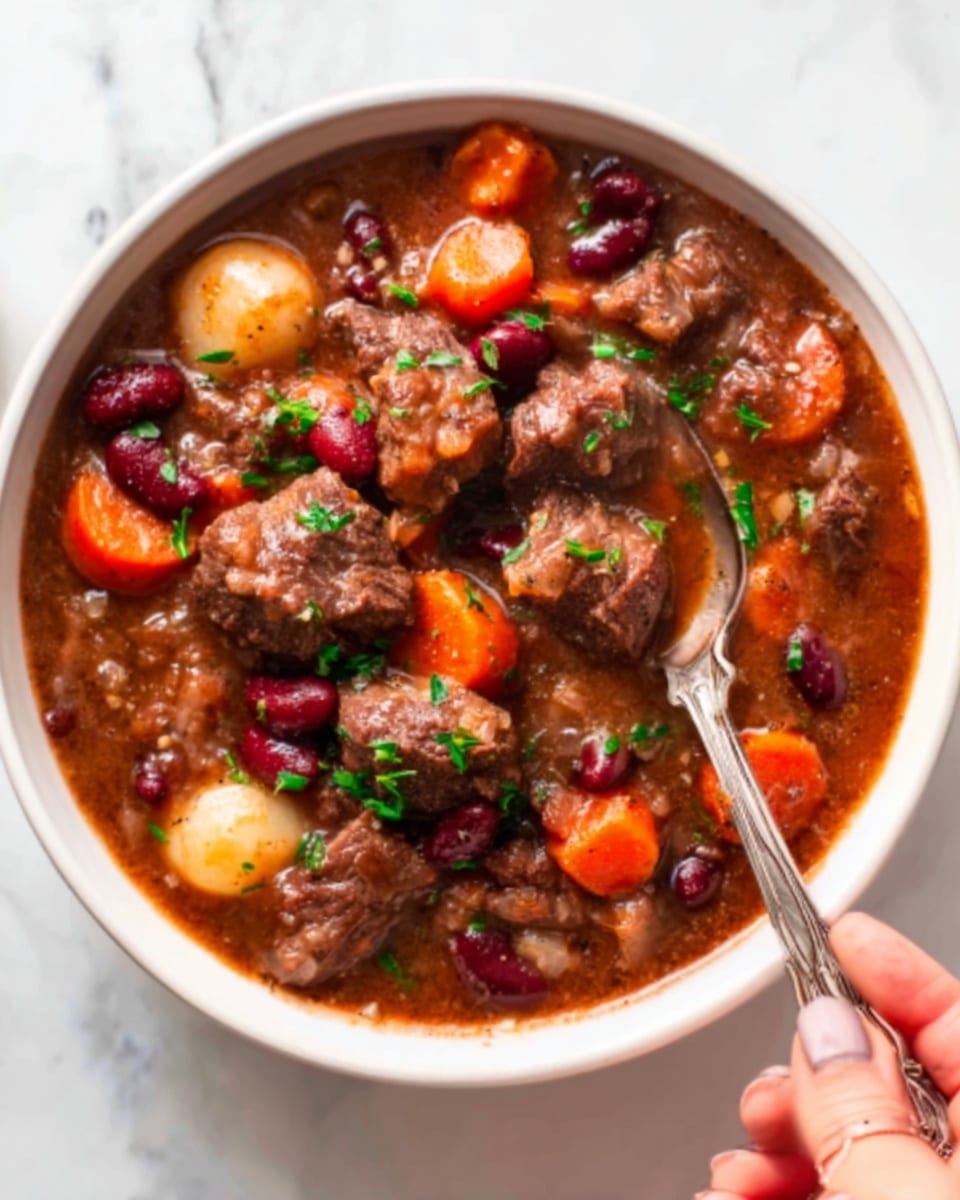
Serve this delicious recipe with your favorite sides.
FAQs
Can I use regular dill pickles instead of kosher-style?
Yes, any dill pickles can be used, but those with firmer texture and less sweetness work best to maintain the bread’s structure and authentic tang.
Will the sourdough starter affect the bread’s flavor significantly?
Yes, the starter contributes to the characteristic tang and depth of flavor of sourdough bread. A well-fed, active starter will produce the best rise and flavor in your loaf.
PrintTangy Dill Pickle Sourdough Bread Recipe

This Tangy Dill Pickle Sourdough Bread combines the classic tang of sourdough with the bright, zesty flavors of dill pickles and fresh dill. Incorporating pickle brine and chopped dill pickles into the dough creates a unique savory loaf with a crisp crust and a moist, flavorful crumb. Perfect for sandwich lovers or as a standout side, this bread offers a delightful twist on traditional sourdough.
- Prep Time: 15 minutes
- Cook Time: 45 minutes
- Total Time: 5 hours (plus overnight proof option)
- Yield: 1 loaf (about 900 grams or 2 pounds) 1x
- Category: Bread
- Method: Baking
- Cuisine: American
Ingredients
Starter and Liquids
- 50 grams active sourdough starter
- 260 grams filtered water, warmed to about 85°F
- 30 grams brine from dill pickles
Flours and Salt
- 375 grams organic white bread flour
- 35 grams whole wheat flour
- 7 grams fine sea salt
Add-ins
- 80 grams diced dill pickles (patted dry with paper towel to remove extra moisture)
- 1 1/2 tablespoons fresh dill, finely chopped
Instructions
- Mix and Initial Rest: In a large bowl, mix your active sourdough starter, warmed filtered water, and pickle brine using a fork until the starter is evenly dispersed. Add the white bread flour and whole wheat flour gradually, first with a spatula then using your hand, until a shaggy dough forms with no dry flour visible. Sprinkle the sea salt evenly over the dough, then cover the bowl with a damp cloth. Let the dough rest for 40 minutes to allow the flour to hydrate.
- Knead and Incorporate Salt: After the initial rest, knead the dough by hand vigorously for about two minutes to fully incorporate the salt into the dough. Perform the first stretch and fold by gently grabbing a portion of the dough, stretching it upwards, and folding it over itself. Cover the dough again and let it rest for 30 minutes.
- Add Flavorings and Continue Stretch and Fold: Sprinkle the diced dill pickles and finely chopped fresh dill evenly over the dough, making sure to reach the edges of the bowl. Perform another stretch and fold to incorporate the pickles and dill into the dough. Cover and let rest for another 30 minutes.
- Complete Stretch and Fold Sequences: Repeat two more cycles of 30-minute rests followed by stretch and fold sequences, for a total of four stretch and fold actions. These steps help develop the dough’s gluten structure and evenly distribute the mix-ins.
- Bulk Fermentation and Shaping: Allow the dough to bulk ferment at room temperature (around 74°F) covered with a damp cloth until it has risen about 75%, which typically takes about 4 hours. The dough should appear glossy with a few bubbles visible under the surface and be slightly less than doubled in size. Turn the dough gently onto a floured work surface and let it rest for 10–15 minutes. Shape the dough according to your preference, then place it seam-side up into a flour-dusted, linen-lined banneton. Cover with a shower cap or damp cloth for the final proof.
- Final Proof and Baking: The final proof can be done overnight in the refrigerator for up to 12 hours to improve scoring ease and shape retention, or left at room temperature for about 1 1/2 hours. Preheat your oven to 450°F with a Dutch oven inside. When ready, place parchment paper over the dough, invert it so the seam side is down, and score the top with cuts at least half an inch deep to allow steam to escape during baking. Transfer the dough on parchment into the hot Dutch oven and cover. Bake for 25 minutes at 450°F, then uncover, reduce the oven temperature to 435°F, and bake another 20 minutes until the crust is deeply golden and crisp.
- Cooling: Remove the bread from the oven and allow it to cool completely on a wire rack for at least one hour before slicing. Cooling helps set the crumb and prevents gumminess from trapped steam inside.
Notes
- Use fresh, active sourdough starter for best rise and flavor development.
- Ensure diced pickles are well-patted dry to prevent excess moisture in the dough.
- Room temperature for fermentation is approximately 74°F; adjustments may be needed if warmer or cooler.
- Scoring deeply (at least 1/2 inch) helps control oven spring and prevents bursting.
- Final proof in the fridge enhances the crust and flavor but can be substituted with room temperature proof for convenience.
- Allow bread to cool fully before slicing to maintain optimal crumb texture.
Keywords: sourdough bread, dill pickle bread, tangy sourdough, homemade bread, savory sourdough, dill bread